
Full Mouth Reconstruction in Glendale, AZ
Worn or broken teeth, a bite that no longer feels right, one repair after another that doesn’t quite hold; when several problems build up at once, treating them one at a time rarely gets you anywhere. At My Dental & Implants, Dr. Afzalian takes a different approach: full mouth reconstruction in Glendale.
We evaluate your bite, gums, and remaining teeth together and build a single plan that restores function first, then appearance, so the work actually holds up. So if you’re tired of dental problems that keep resurfacing no matter what gets fixed, a consultation at My Dental & Implants in Glendale is where a coordinated plan starts.
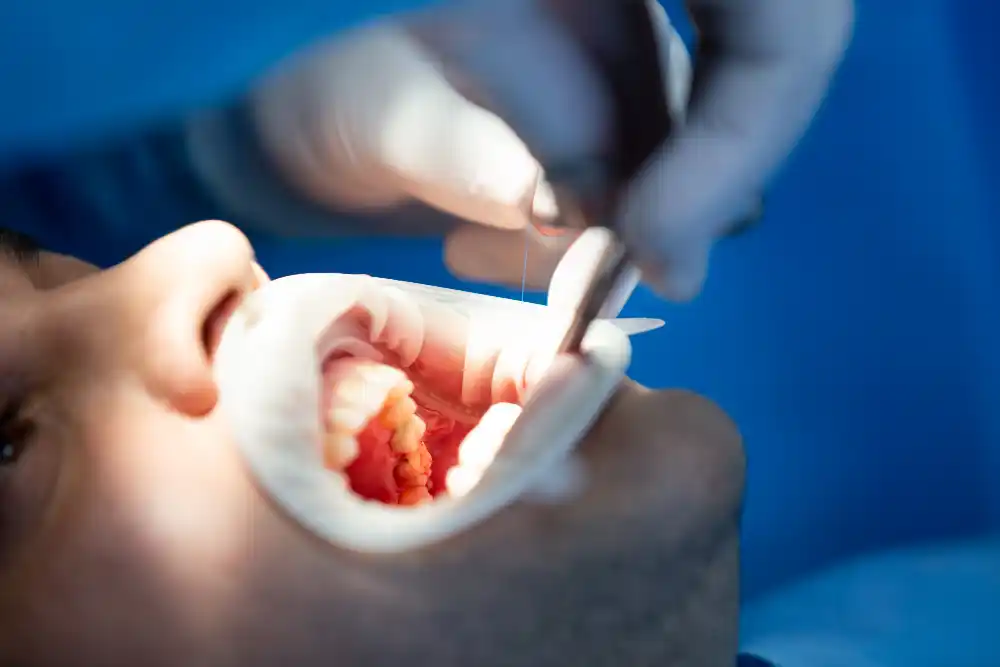
MULTIPLE DENTAL PROBLEMS
What Worn, Broken, and Missing Teeth Can Do to Daily Life
Several dental problems at once cause more than tooth trouble. They affect how you eat, speak, and feel about your smile every day.
- Worn-down teeth make chewing harder and can leave teeth looking shorter or yellowed
- Broken or cracked teeth turn meals into a guessing game of which bite will hurt
- Missing teeth let nearby teeth shift, throwing off your bite
- Failing old dental work means fillings, crowns, or bridges keep breaking down one at a time
- A misaligned bite can bring on jaw soreness, headaches, or a smile you hold back
Our full mouth rehabilitation in Glendale can address these issues together. At My Dental & Implants, we evaluate how your problems connect and build one plan to treat them as a whole.

WHAT’S INCLUDED
Restorative Treatments Included in Full Mouth Reconstruction
Full mouth dental reconstruction isn’t one fixed procedure. It’s a plan built from whichever combination of treatments your mouth actually needs, based on what your evaluation shows. Depending on your case, that may include:
Dental Implants
A dental implant is a titanium post placed to replace the root of a missing tooth, giving a crown, bridge, or larger restoration a stable foundation that functions like a natural tooth.
Dental Crowns
A crown is a custom-made cap that restores a tooth that’s cracked, worn down, or weakened by old fillings or previous dental work.
Dental Bridges
A fixed restoration fills the space left by a missing tooth, drawing support from the surrounding teeth or nearby implants.
Root Canal Therapy
Treatment clears infected or damaged tissue inside a tooth, preserving the natural tooth instead of extracting it.
Gum Disease Treatment
We address underlying gum disease or bone loss first, since it can undermine the long-term success of any restorative work.
Bite Correction
We adjust misaligned teeth, so the bite meets evenly, reducing strain on the jaw and uneven wear over time.
All-on-4 or Dentures
We replace a full arch of missing or failing teeth with either a fixed, All-on-4 or a removable snap-in denture, depending on candidacy and preference.
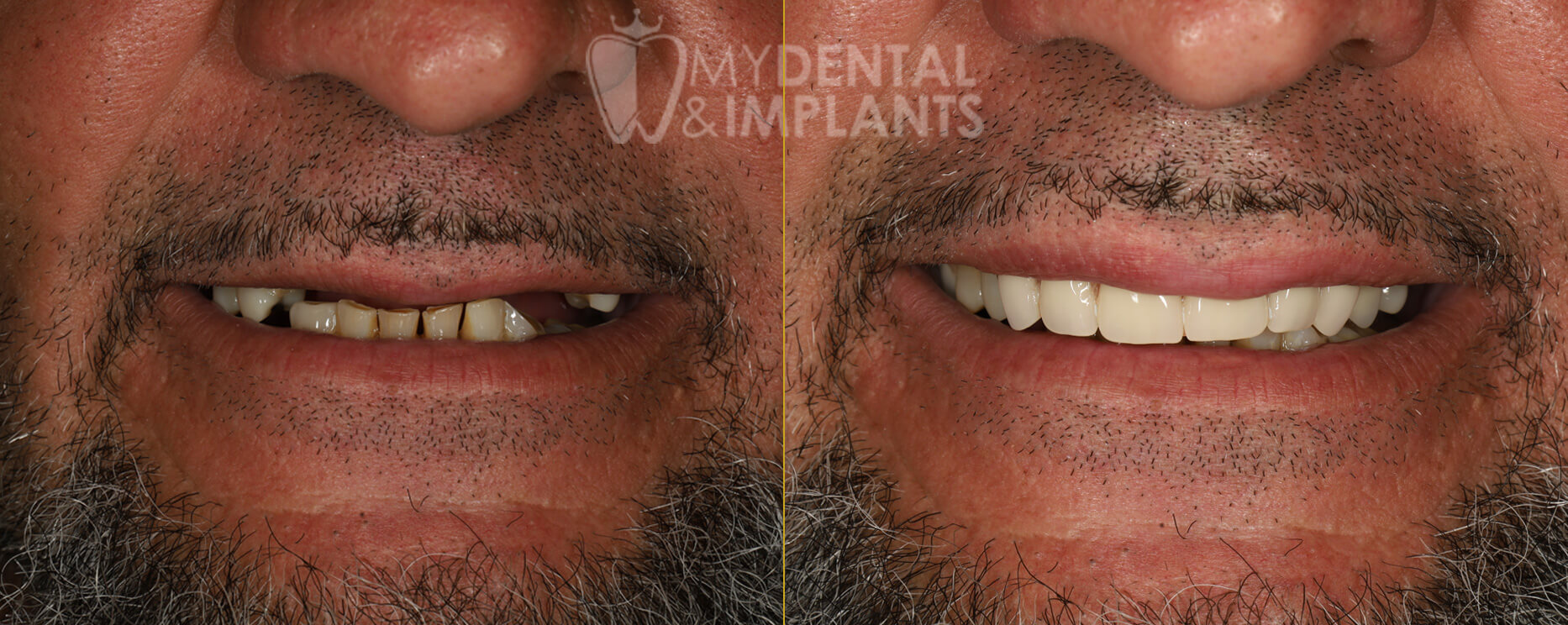
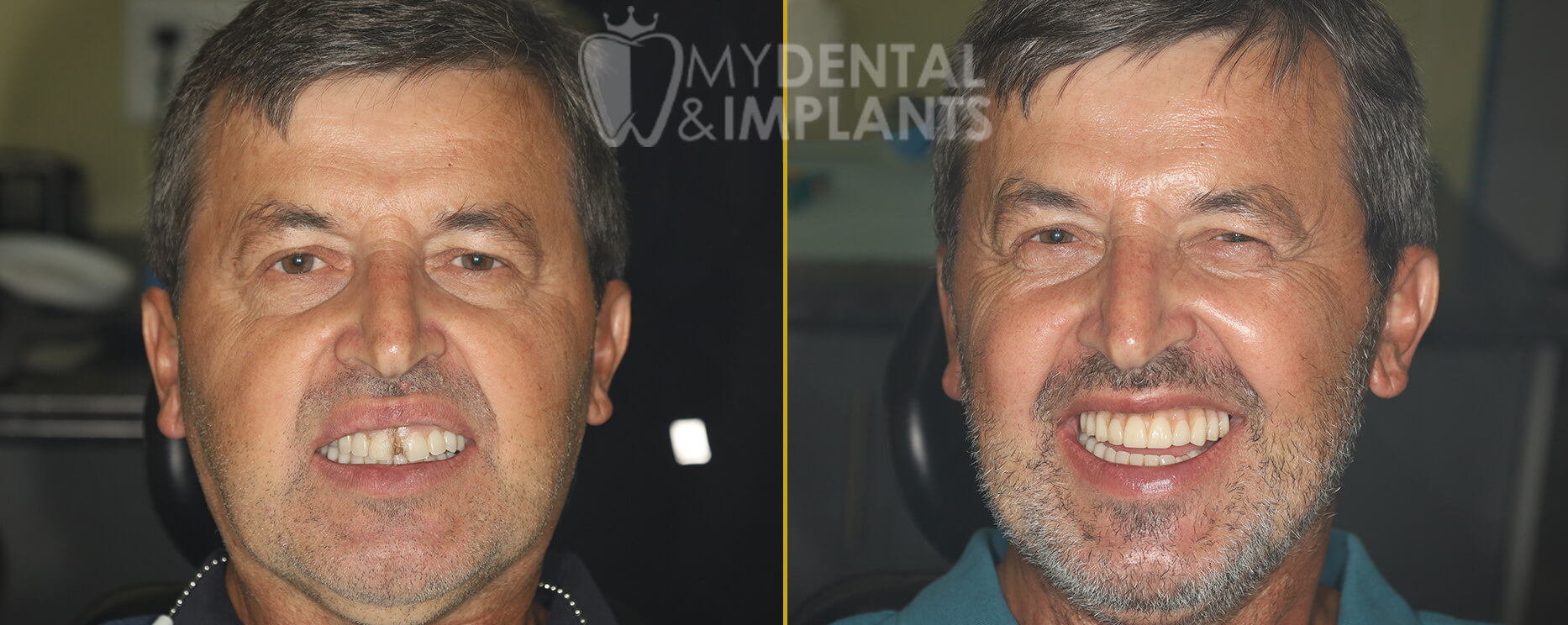
Smile Gallery
Full Mouth Reconstruction Before and After



CANDIDACY
Candidates for Full Mouth Rehabilitation
Our full mouth reconstruction in Glendale can help patients with several dental problems at once, but the right mix of treatments depends on your bite, gums, and remaining teeth. We evaluate all of this together before building a plan.
Your complete mouth restoration consultation includes a full exam and imaging to check your bite, bone levels, and existing teeth. Gum disease, bite misalignment, or prior dental work can shape the plan, but they don’t rule out treatment on their own.
Good Candidate Signs
Patients dealing with multiple worn, broken, or missing teeth, failing old dental work, or bite problems are often good candidates. Full mouth reconstruction can restore function, comfort, and appearance together instead of one problem at a time.
Needs Additional Evaluation
Patients with active gum disease, significant bone loss, or complex bite issues may need additional treatment, like periodontal therapy or bone grafting, before restorative work begins. We review these factors during your consultation to sequence a safe, effective plan.
PROCESS
What to Expect During Your Full Mouth Reconstruction Process
Dr. Afzalian, our full mouth reconstruction dentist, breaks the process into clear phases, because knowing what’s ahead makes a multi-step plan feel far more manageable. At My Dental & Implants, we walk you through these steps:
01
Consultation & Evaluation
We review your goals, medical history, and current dental problems, then use 3D imaging and a bite evaluation to check your jaw, bone levels, and remaining teeth.
02
Treatment Planning
We sequence your treatment based on your case, treating health issues like gum disease or infection first, then moving into restorative and implant phases.
03
Foundational Treatment
We handle urgent issues first, like extractions, root canals, or gum disease treatment, so the rest of your plan has a healthy base to build on.
04
Restorative & Implant Phases
We place dental implants, crowns, or bridges based on your treatment plan, building in healing time between phases as needed.
05
Final Restoration
Once healing is done, we attach your final restorations and walk you through long-term care for your new smile.
COST & FINANCING
Full Mouth Reconstruction Cost
The full mouth rehabilitation cost varies widely based on which treatments your plan includes, such as crowns, implants, root canals, or gum therapy, and how many teeth need attention.
Insurance Coverage
We work with plans like Aetna, Delta Dental, MetLife, UnitedHealthcare, and Blue Cross Blue Shield. Our team can check your benefits and how they apply to each part of your treatment.
Flexible Financing Options
Proceed Finance, CareCredit, and Cherry financing plans help spread the cost of a multi-step plan into manageable monthly payments.
Don’t Have Dental Insurance?
No insurance doesn’t rule out full mouth reconstruction. Ask us about low- or no-interest financing that fits your budget.
KNOW YOUR OPTIONS
Full Mouth Reconstruction vs All-on-4
Both address extensive dental damage, but they solve different problems. The right one depends on whether you’re missing an entire arch of teeth or dealing with a mix of issues across teeth you still have.
| Option | Best for | How It Works |
|---|---|---|
| Full Mouth Reconstruction | Patients with a mix of problems across their mouth, worn teeth, old dental work, gum issues, and some missing teeth | Multiple treatments, like crowns, implants, root canals, and gum therapy, are combined into one coordinated plan built around your specific case. |
| All-on-4 Dental Implants | Patients who are missing most or all of their teeth in one or both arches | Four implants anchor a fixed, full-arch bridge directly into the jawbone, replacing an entire arch at once. |
PATIENT TESTIMONIALS
What Our Patients Say
Hear directly from patients about their time with My Dental & Implants, from that first appointment and treatment planning through to their finished results and follow-up care.


COMFORT & WHAT TO EXPECT
Customized Multi-Step Treatment for Each Patient
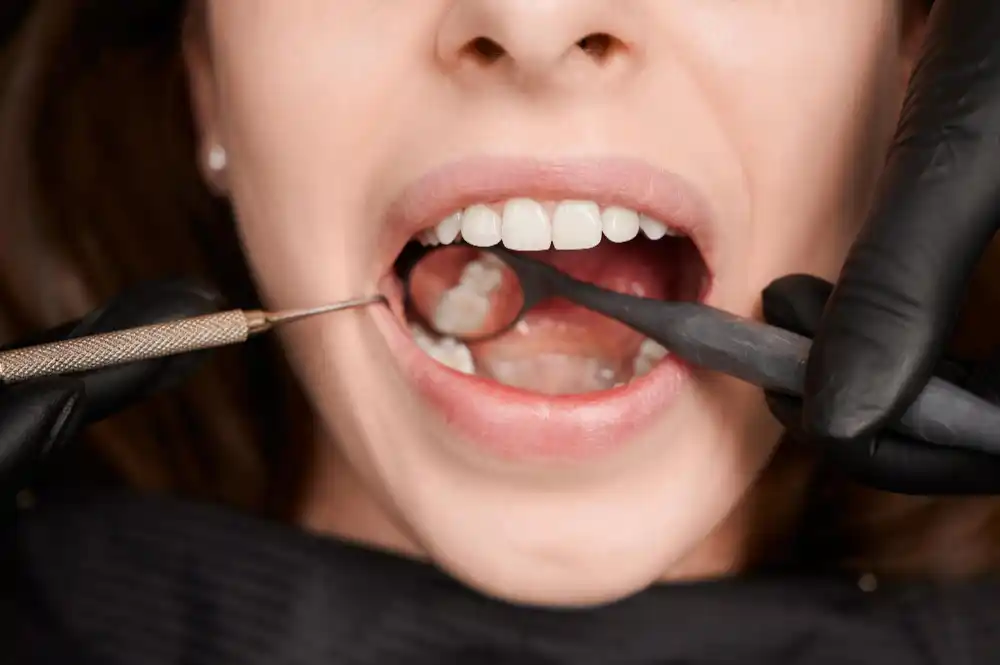
Full mouth rehabilitation usually means more than one procedure, and it’s normal to wonder how many appointments it will take. We walk through sedation, treatment sequencing, and recovery expectations at your consultation, so nothing catches you off guard.
At My Dental & Implants, we choose sedation based on what’s happening at each visit rather than a single blanket approach, since a crown appointment and an implant placement don’t call for the same level of sedation. We also group related procedures together where possible, starting with health-focused treatments like gum disease care or root canals, followed by restorative and implant phases, then your final results.
With a clear treatment sequence and the right sedation at each step, your full mouth rehabilitation can move forward with fewer surprises and a smoother recovery.
RECOVERY BY PROCEDURE
Know What Recovery Looks Like at Each Stage
Recovery time depends on the procedure, so we give you aftercare guidance specific to each one.
| Procedure | Recovery Timeline |
|---|---|
| Crowns and bridges | Mild sensitivity for a day or two |
| Root canals and extractions | Discomfort typically settles within three to seven days |
| Gum treatment | Healing generally takes one to two weeks |
| Implant placement | A longer, staged recovery timeline reviewed at consultation |
| Follow-up visits | Scheduled to confirm you’re healing on track before the next phase |
Why Choose My Dental Implant?
Meet Your Full Mouth Reconstruction Specialist in Glendale
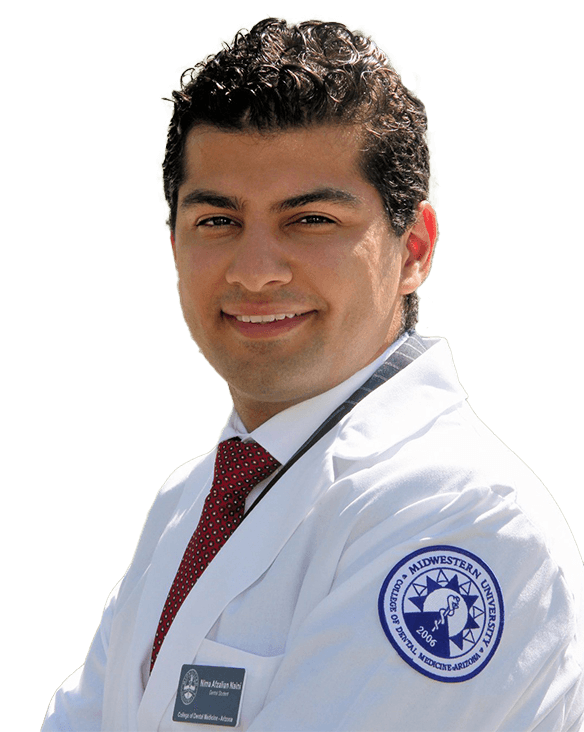
Dr. Nima Afzalian, D.M.D., is the restorative dentist behind every treatment plan at My Dental & Implants. He earned his Doctor of Dental Medicine (D.M.D.) from Midwestern University College of Dental Medicine-Arizona in 2022, following a Master of Science in Biomedical/Medical Engineering from Arizona State University in 2018 and undergraduate study in Biomedical Engineering at ASU’s Barrett Honors College in 2017.
Restorative Experience
Since 2022, Dr. Afzalian’s practice has centered on restorative dentistry, dental implants, crowns, and complex, multi-treatment cases. He relies on detailed exams and modern imaging to map out how each patient’s problems connect before building a plan.
Awards & Training
Dr. Afzalian graduated with Honors in Dental Implants and received the Dean’s Award as Top Clinician. That background shows in how carefully he sequences treatment for patients who need more than one procedure to get their smile back to full function.
Q&A
Common Questions Answered
How much does full mouth rehabilitation cost?
The cost of full mouth reconstruction in Glendale depends on which treatments your plan includes and how many teeth need work. We go over exact costs once your plan is set.
How long does full mouth reconstruction take?
Timelines vary widely, anywhere from a few months to about a year, depending on how many treatments are involved and healing time between phases.
What’s included in a full mouth dental rehabilitation plan?
It can include crowns, bridges, implants, root canals, gum treatment, and bite correction, combined based on what your exam shows.
Can full mouth dental reconstruction fix a misaligned bite?
Yes. Bite correction is often part of the plan when misalignment is contributing to wear, discomfort, or jaw strain.
Does full mouth reconstruction hurt?
Sedation is matched to each procedure, and most patients manage recovery with standard aftercare and pain medication.
Is full mouth reconstruction the same as a smile makeover?
Not quite. A smile makeover focuses mainly on appearance, while reconstruction addresses function, health, and appearance together.
Will I need multiple appointments for full mouth rehabilitation?
Usually, yes. Treatment is sequenced in phases, though we group related procedures to limit the number of visits where possible.
Full Mouth Reconstruction Near Me
Book Your Full Mouth Rehabilitation Consultation in Glendale
Get a coordinated treatment plan built around your bite, budget, and comfort. Our team will walk you through what your mouth needs, how the phases fit together, and how to make it affordable. Book your complete mouth restoration consultation today and get rid of worn teeth, broken teeth, and multiple missing teeth.
RELATED CONTENT